

In the diagnostic landscape of clinical virology, recent years have marked a significant shift from traditional culture to molecular techniques.
In parallel, the debate between conventional culture methods and modern molecular approaches has sparked considerable discussion in the field of bacteriology.
While some view molecular and culture methods as alternative pathways, a closer analysis reveals that their greatest potential lies in complementing one another. By combining the latest breakthroughs of both, bacteriology professionals can achieve more precise, effective, and complete diagnostic results.
Bacterial Culture in Modern Clinical Microbiology
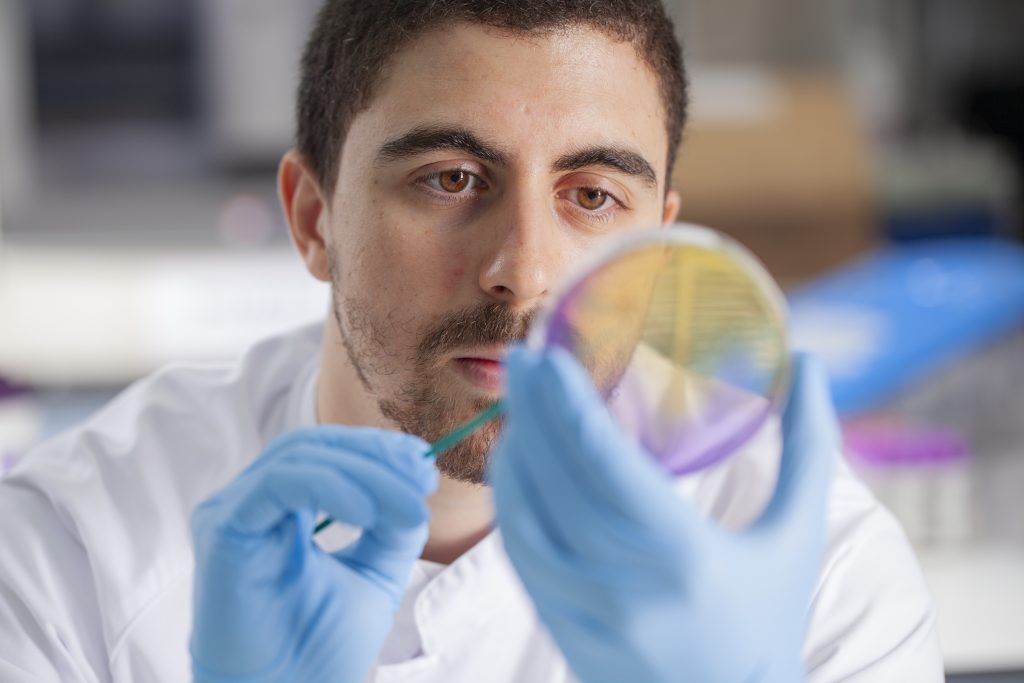
Microbial culture has been the gold standard for detecting infectious pathogens for many years, offering unparalleled insights into 𝗺𝗶𝗰𝗿𝗼𝗯𝗶𝗮𝗹 𝗺𝗼𝗿𝗽𝗵𝗼𝗹𝗼𝗴𝘆, 𝗯𝗲𝗵𝗮𝘃𝗶𝗼𝗿, and 𝗽𝗵𝗲𝗻𝗼𝘁𝘆𝗽𝗶𝗰 𝗰𝗵𝗮𝗿𝗮𝗰𝘁𝗲𝗿𝗶𝘀𝘁𝗶𝗰𝘀. Even with advancements in molecular diagnosis, culture still yields 𝗲𝘀𝘀𝗲𝗻𝘁𝗶𝗮𝗹 𝗶𝗻𝗳𝗼𝗿𝗺𝗮𝘁𝗶𝗼𝗻 on 𝗱𝗿𝘂𝗴 𝘀𝘂𝘀𝗰𝗲𝗽𝘁𝗶𝗯𝗶𝗹𝗶𝘁𝘆 and 𝗿𝗲𝘀𝗶𝘀𝘁𝗮𝗻𝗰𝗲 𝗺𝗲𝗰𝗵𝗮𝗻𝗶𝘀𝗺𝘀.
These strengths persist despite important limitations, including 𝗹𝗼𝗻𝗴 𝘁𝘂𝗿𝗻𝗮𝗿𝗼𝘂𝗻𝗱 𝘁𝗶𝗺𝗲𝘀, 𝗹𝗮𝗯𝗼𝗿-𝗶𝗻𝘁𝗲𝗻𝘀𝗶𝘃𝗲 𝘄𝗼𝗿𝗸𝗳𝗹𝗼𝘄𝘀, and difficulty in identifying 𝗳𝗮𝘀𝘁𝗶𝗱𝗶𝗼𝘂𝘀 𝗼𝗿𝗴𝗮𝗻𝗶𝘀𝗺𝘀.
New developments in culture, such as 𝗮𝘂𝘁𝗼𝗺𝗮𝘁𝗶𝗼𝗻 and 𝗱𝗶𝗴𝗶𝘁𝗮𝗹 𝗶𝗺𝗮𝗴𝗲 𝗮𝗻𝗮𝗹𝘆𝘀𝗶𝘀, reduce manual tasks and improve accuracy.
Traditional culture methods still have some advantages:
- Antimicrobial Susceptibility Testing: Culture remains an essential tool for determining antibiotic susceptibility.
- Colony Morphology: In some cases, colony morphology is a distinctive character of specific bacterial strains.
- Cost: Culture is, on average, less costly than molecular testing.
- Public Health Surveillance: Culture provides data for tracking outbreaks and monitoring resistance trends.
Advances in Modern Molecular Diagnostic Techniques
Challenges in bacterial culture have led to a shift toward molecular diagnostic approaches – such as Nucleic Acid Amplification Techniques (NAATs) – that are more rapid, more sensitive, and able to identify pathogens often missed by traditional methods. Methodologies like NAATs allow 𝗿𝗮𝗽𝗶𝗱 𝗮𝗻𝗱 𝗽𝗿𝗲𝗰𝗶𝘀𝗲 𝗴𝗲𝗻𝗲𝘁𝗶𝗰 𝗶𝗱𝗲𝗻𝘁𝗶𝗳𝗶𝗰𝗮𝘁𝗶𝗼𝗻, making them invaluable for infections caused by both bacteria and viruses.
Using nucleic acid sampling in molecular laboratories has streamlined workflows, reducing turnaround times compared to culture. For example, molecular diagnostics can detect 𝘃𝗶𝗿𝗮𝗹 𝗻𝘂𝗰𝗹𝗲𝗶𝗰 𝗮𝗰𝗶𝗱 within hours, while culture might take days or weeks. These methods are also optimal for 𝗳𝗮𝘀𝘁𝗶𝗱𝗶𝗼𝘂𝘀 𝗼𝗿𝗴𝗮𝗻𝗶𝘀𝗺𝘀 that are difficult to grow.
Key advantages include:
- Speed and Sensitivity: NAATs provide rapid results, essential in time-sensitive scenarios.
- Comprehensive Testing: Multiplex panels identify multiple pathogens in one test—crucial in nonspecific symptoms like diarrhea.
- Improved Accuracy: Molecular methods outperform culture for organisms such as Campylobacter, which requires long incubation and specific growth conditions.

Balancing MDx and Culture
Rather than viewing molecular techniques and bacterial culture as opposing forces, they should be understood as 𝗰𝗼𝗺𝗽𝗹𝗲𝗺𝗲𝗻𝘁𝗮𝗿𝘆 𝘁𝗼𝗼𝗹𝘀, each contributing 𝘂𝗻𝗶𝗾𝘂𝗲 𝘀𝘁𝗿𝗲𝗻𝗴𝘁𝗵𝘀 and addressing different aspects of pathogen identification and characterization.
As healthcare professionals navigate the complexities of infectious diseases, adopting a 𝘀𝘆𝗻𝗲𝗿𝗴𝗶𝘀𝘁𝗶𝗰 𝗮𝗽𝗽𝗿𝗼𝗮𝗰𝗵 becomes essential. By integrating molecular methods with bacterial culture, laboratories can 𝗲𝗻𝗵𝗮𝗻𝗰𝗲 𝗱𝗶𝗮𝗴𝗻𝗼𝘀𝘁𝗶𝗰 𝗰𝗮𝗽𝗮𝗯𝗶𝗹𝗶𝘁𝗶𝗲𝘀, improve patient outcomes, and contribute to the 𝗮𝗱𝘃𝗮𝗻𝗰𝗲𝗺𝗲𝗻𝘁 𝗼𝗳 𝘀𝗰𝗶𝗲𝗻𝘁𝗶𝗳𝗶𝗰 𝗸𝗻𝗼𝘄𝗹𝗲𝗱𝗴𝗲.
Embracing Synergy in Diagnostics
In conclusion, the dichotomy between bacterial culture and molecular biology is an outdated perspective. Instead, their synergy is a powerful paradigm shift in microbiology.
While MDx represents a significant improvement in infectious disease diagnosis, recent advancements such as robotics and digitalization have ensured that culture-based approaches remain the method of choice for many clinical bacteriology research.
As science progresses, so should diagnostic practice, ensuring that we harness the full potential of both traditional and modern methodologies. Integrating both culture and molecular techniques holds great promise for advancing clinical diagnostics and enhancing global health.
Sources:
- https://thebiomedicalscientist.net/2017/06/27/microbiology-culture-vs-molecular
- Rahman, M. (2024). Molecular Diagnostics versus Traditional Culture Method for Diagnosis of Infectious Diseases. Pulse, 16(1), 26–30. https://doi.org/10.3126/pulse.v16i1.77067
- Miller JM, et al. A Guide to Utilization of the Microbiology Laboratory for Diagnosis of Infectious Diseases: 2018 Update by the Infectious Diseases Society of America and the American Society for Microbiology. Clin Infect Dis. 2018 Aug 31;67(6):e1-e94. doi: https://10.1093/cid/ciy381


