

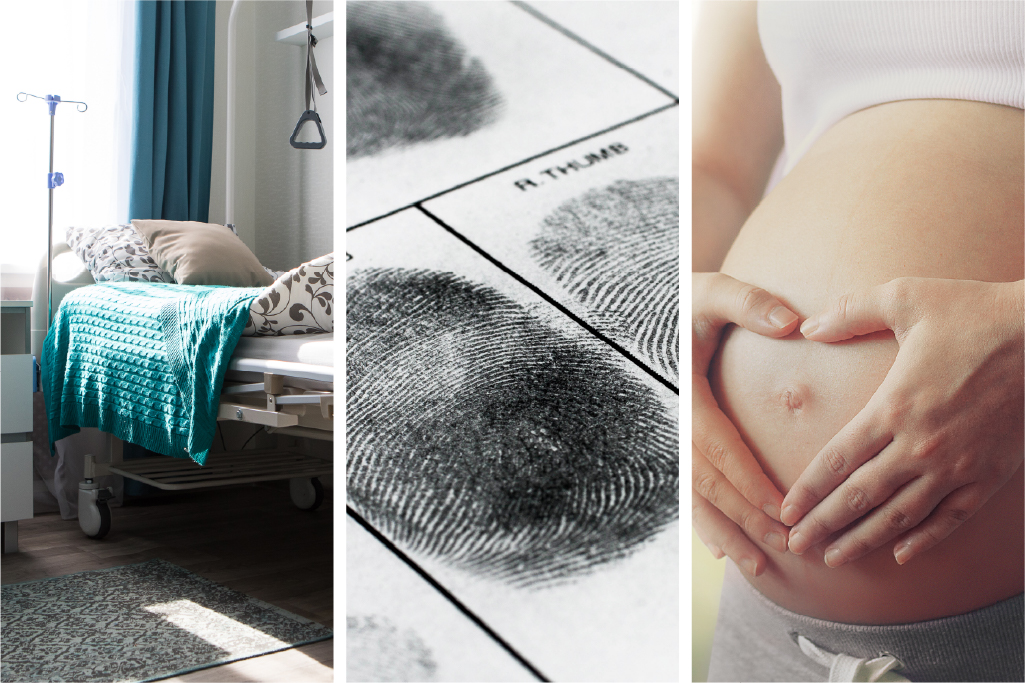
April 2025 marks the first edition of Microbiology Time on CoScience HUB, the new scientific platform dedicated to excellence in microbiology communication.
This month’s selection features three studies offering fresh perspectives on molecular mechanisms and pathogen behavior.
Below are the three papers selected for April.
Candida auris and ESKAPE Pathogens in Nursing Homes
The first study published on Nature examines antimicrobial resistance (AMR) in nursing homes, environments that often act as reservoirs and amplifiers of resistant bacteria and fungi, placing residents at heightened risk of infection and colonization.
The paper focuses on the genomic epidemiology of Candida auris, a multidrug-resistant fungal pathogen of major clinical concern. By combining metagenomics with isolate sequencing, US researchers identified skin colonization and clonal spread of C. auris among residents, alongside ESKAPE pathogens and other high-priority microorganisms.
By integrating microbiome data with clinical findings, the researchers detected carbapenemase genes on residents’ skin, indicating that the skin acts as a reservoir for AMR organisms and resistance genes. This insight has significant implications for the design of surveillance and infection control programs.
Improving DNA Recovery from Latent Fingerprints
Finger identification (dactyloscopy) and DNA profiling are essential tools in forensic science; however, obtaining both from latent fingerprints remains challenging.
The second study selected this month aims to optimize DNA collection by establishing the Minimum Surface Requirements (MSR) needed to generate complete STR profiles. Researchers compared two collection methods and the performance of two swab types on fingermarks deposited by volunteers on glass surfaces.
Results showed that flocked swabs significantly outperformed cotton swabs in both DNA recovery and STR profiling. Additionally, the study defined the first MSR benchmarks for producing meaningful STR profiles, helping investigators decide when to prioritize dactyloscopy, genotyping, or a combined approach when analyzing latent fingermarks.
These findings improve the ability to extract genetic identities from low-quality or limited ridge patterns, enhancing the overall use of forensic evidence.
Self-Collected Swabs for GBS Detection in Pregnancy
The third study, conducted in Slovenia, evaluated the validity of self-collected recto-vaginal swabs for detecting Group B Streptococcus (GBS) in pregnant women, compared with standard collection by healthcare workers (HCWs).
A total of 227 women aged 20–44 participated. Each provided two swabs: one collected by HCWs using standard procedures and one self-collected following visual instructions. GBS detection was assessed using direct culture, enriched culture, and PCR.
Results showed similar detection rates for both collection methods, with PCR outperforming culture and identifying additional positives in both groups. Despite the strong performance of self-sampling, 58.5% of participants preferred HCW-collected swabs.
The study concludes that self-collection is a valid alternative, with PCR from enriched samples being the most sensitive method overall.
Join CoScience HUB
Are you a passionate reader of the monthly Microbiology Time? If so, discover how CoScience HUB can provide you with even more. Create your account now to access cutting-edge science, be among the first to discover the upcoming exclusive content, and position yourself at the forefront of innovation.
Sign Up Now


